
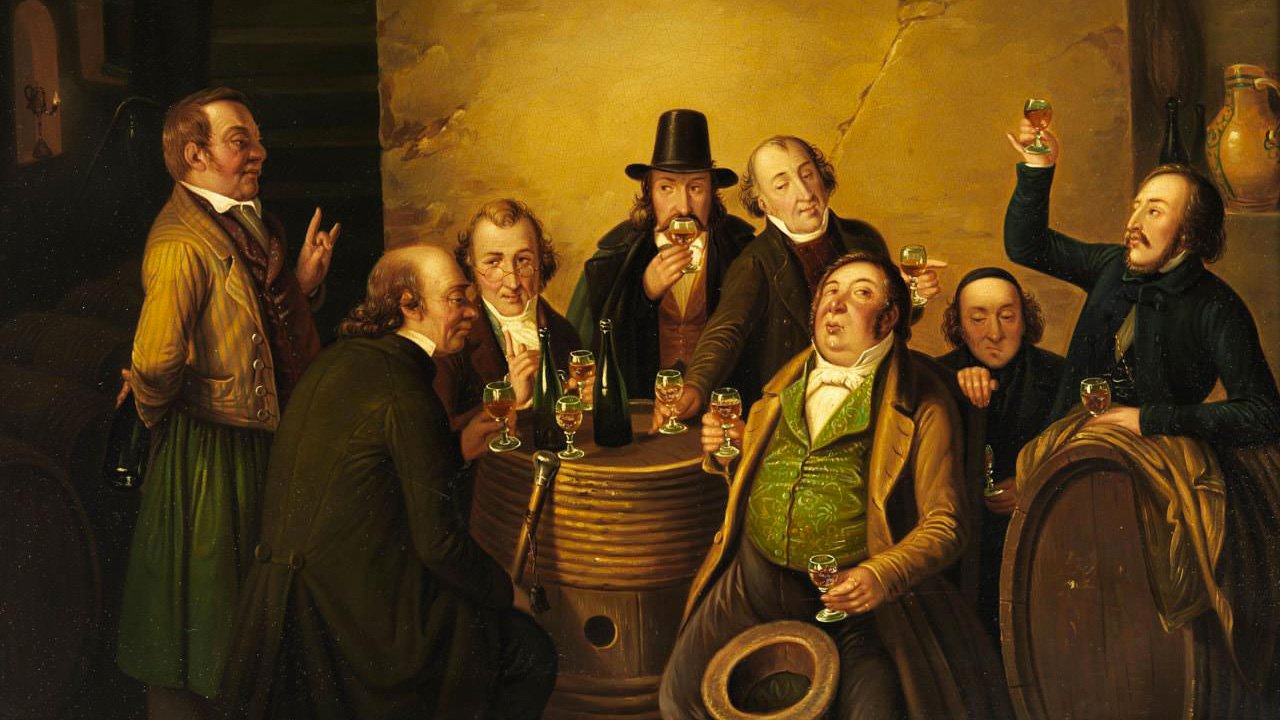
The cultural and symbolic dimension of wine
The organoleptic characteristics of wine are not the only things that define what we consider wine: they are always accompanied by a symbolic charge and a social value, a journey of symbols and meaning that continues even after the wine has been swallowed.
Taste is, in practice, a particularly complex “social fact”, identifiable as a malleable form of collective representation (see Lucio Meglio). Taste is not only something personal: our bond with our favourite wine is not just a matter of personal preference, but also a social, political and ethical question.
Sensory experience is reworked socially through a collective cultural structure, so the “formation” of taste does not happen solely at the bodily and individual level.
Sensory anthropology (an anthropological approach that keeps the two dimensions of taste distinct: the bodily one and the sensory-experiential one) is the key to understanding this relationship between taste and social structures.
Taste – what we feel in the act of drinking (wine is a relationship: first between those who make it and those who drink it, then between the drinker and the wine itself) – is a decisive factor in the relationship between people and the environment our wine comes from. The social dimension does not lose its meaning even once the wine has been drunk: it does not fade away, but transforms itself and transforms us, energetically as well as psychologically.


